

As generative AI models increasingly serve as the starting point for research, shopping, and technical decision-making, digital marketing is witnessing a paradigm shift from traditional search engines to generative engines. This new frontier is known as Generative Engine Optimization (GEO).
1. What Is Generative Engine Optimization (GEO)?
Generative Engine Optimization (GEO) is the practice of optimizing digital content and brand authority so that generative AI systems (including OpenAI ChatGPT, Anthropic Claude, Perplexity AI, and Google Gemini) recommend, reference, and synthesize your business when responding to multi-turn conversational queries.
Unlike SEO (which targets static algorithms like PageRank) and AEO (which targets direct factual snippets), GEO is designed for synthesized multimodal answers that compare options, evaluate trade-offs, and provide bespoke recommendations.
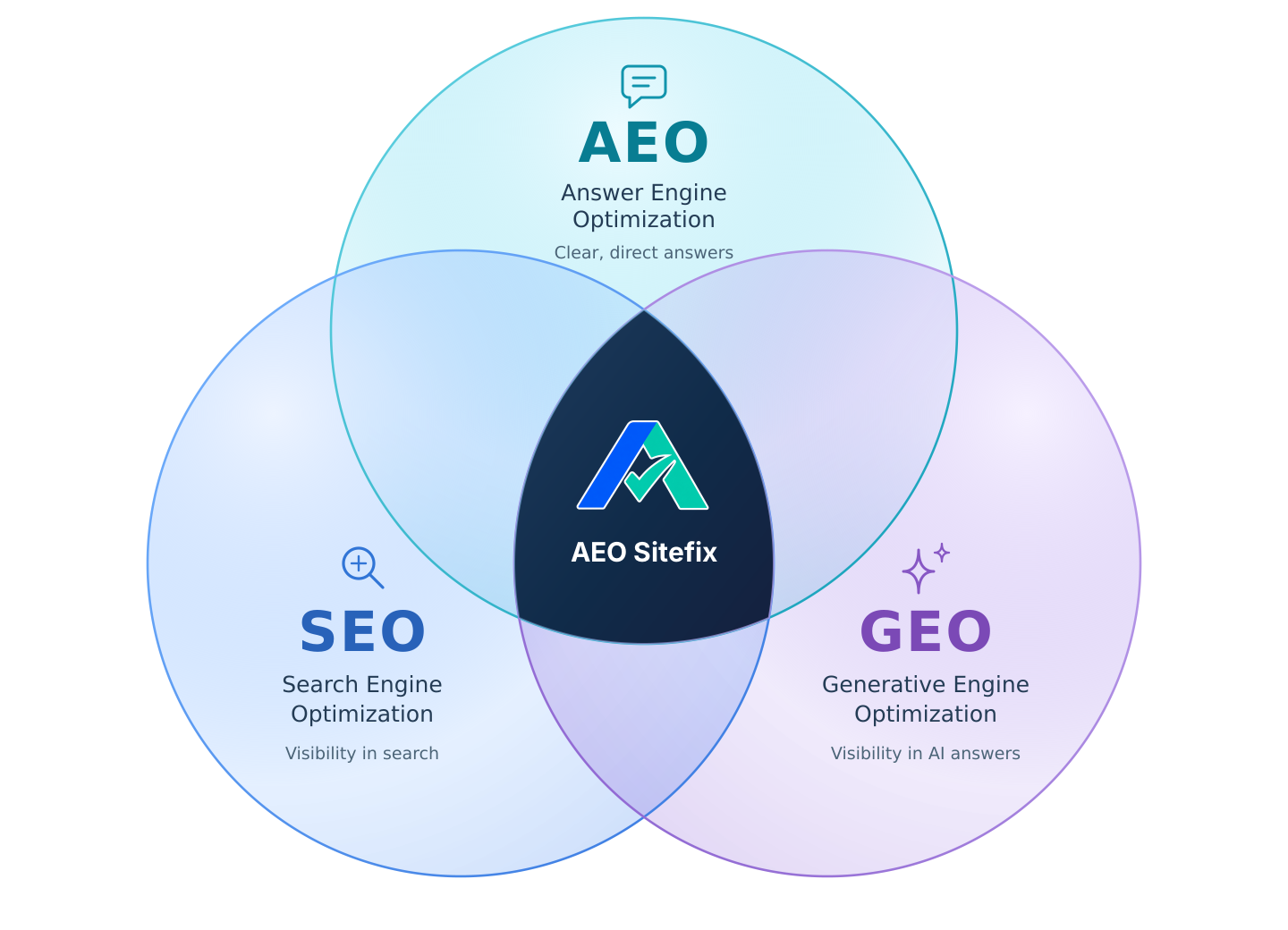
Figure 1: How Generative Engine Optimization (GEO) harmonizes with Search (SEO) and Answer Engines (AEO).
2. The Science Behind GEO: What the Research Shows
A landmark 2023–2024 academic study conducted by researchers from Princeton University, Georgia Tech, and the Allen Institute for AI formally introduced GEO and benchmarked optimization strategies across thousands of complex search prompts.
The research uncovered several content strategies that dramatically increase citation frequency in AI responses:
- Authoritative Citations (+30% visibility): Including verified references, research citations, and expert attribution significantly boosts model trust.
- Statistical Evidentiary Density (+37% visibility): Content packed with specific, quantifiable metrics (percentages, benchmark figures, exact pricing) is prioritized over vague assertions.
- Technical and Domain-Specific Terminology: Using exact industry nomenclature helps embedding models categorize your content at a high semantic precision tier.
- Quotations from Industry Leaders: Explicit quotes from verifiable individuals enhance the model's perception of authority.
3. The GEO Optimization Matrix
Generative engines evaluate content using three core dimensions:
- Entity Clarity: Does your website clearly describe who you are, what you offer, and how your products compare to market alternatives?
- Sentiment and Third-Party Consensus: When the model scans the broader web (reviews, GitHub, Reddit, news mentions), is your brand consistently cited as reputable and trustworthy?
- Information Gain: Does your content provide unique data, original photography, or proprietary workflows that the AI cannot synthesize from competitor pages alone?
Cost Comparison: Agency Retainers vs. AEO SiteFix
Because GEO is a newly minted term, digital agencies are capitalizing by charging premium retainers:
- "AI Search Consultancy" Agencies: $2,500 – $7,500 / month retainers with lengthy 6-month commitments.
- Enterprise AI Tracking Suites: $300 – $1,000 / month just to see where your brand appears in LLM outputs.
- AEO SiteFix: Free unlimited SEO audits, and Premium at US$9.90 / month or US$99 / year: Complete SEO, AEO, and GEO. Supported by frontier AI model for suggestions.
4. How to Implement GEO on Your Website
- Publish proprietary benchmarks: Share real testing numbers, case studies, and transparent pricing comparisons.
- Structure clear comparison guides: When comparing tools or services, provide balanced, objective pros-and-cons tables that LLMs love to parse.
- Maintain comprehensive schema: Ensure your JSON-LD Organization markup links to verified social handles, founders, and review platforms.
- Audit regularly: Use AEO SiteFix to spot missing tags, schema disconnects, and performance bottlenecks that hinder AI bot crawlers.